

03 Dec The Ultimate Guide to Dosha Integration: Balancing Vata, Pitta, and Kapha for Optimal Health

Ayurveda teaches us that optimal health is a state of dynamic balance. This balance is governed by the three biological energies—the Doshas: Vata, Pitta, and Kapha. While we all possess a unique combination, understanding which Dosha is currently aggravated (or out of balance) is the first step toward true well-being. This guide provides a foundation for achieving true Dosha Integration through targeted yoga, food, and daily routines.
Understanding Your Current Imbalance
A Vata imbalance might manifest as anxiety, dry skin, or poor sleep. Pitta imbalance often appears as irritability, inflammation, or acid reflux. Kapha imbalance can show up as lethargy, weight gain, or stubborn congestion. The goal is to bring the aggravated Dosha back to its home base.
1. Dosha Balancing Through Yoga Sequences
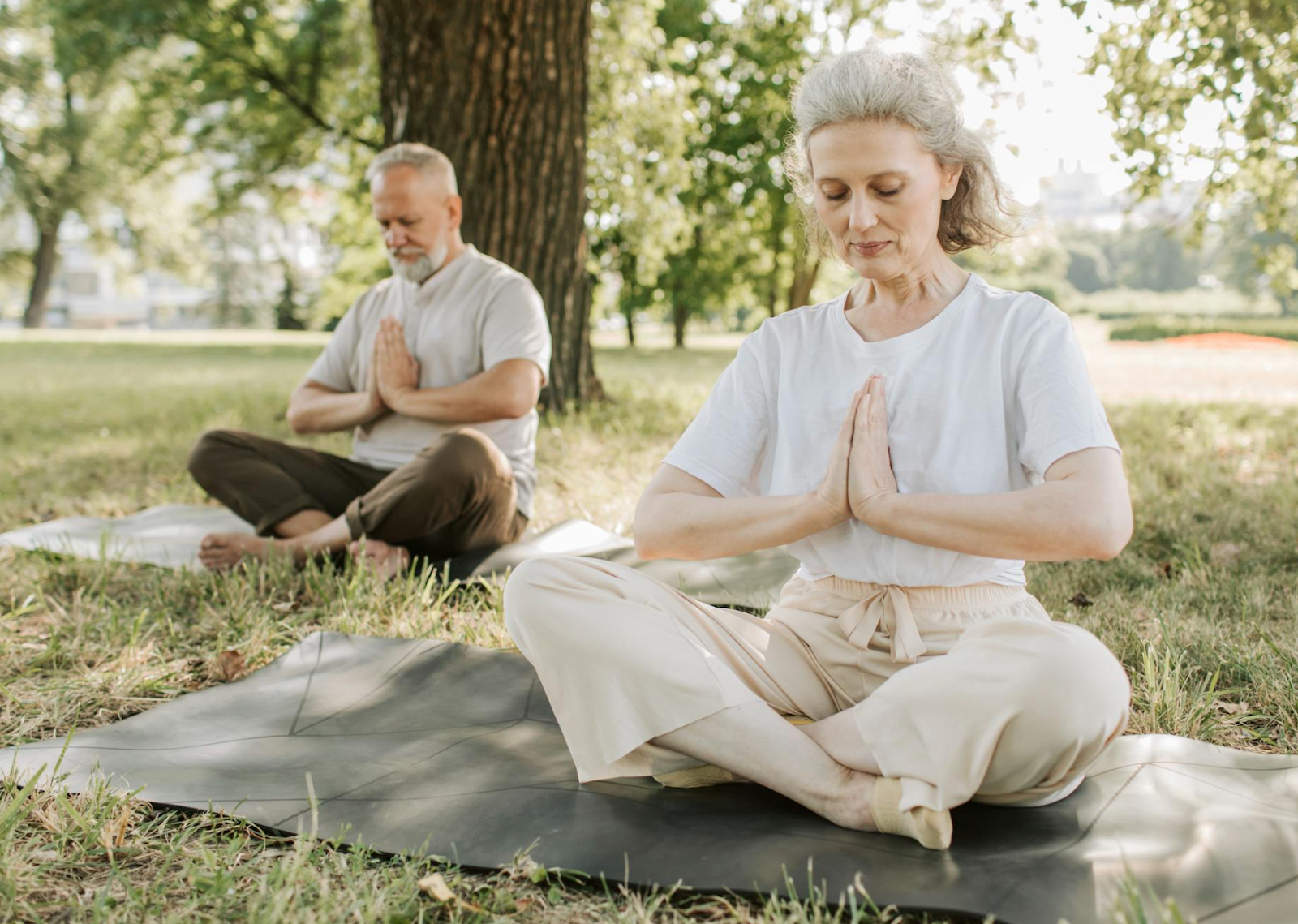
Your yoga mat is a powerful tool for integration. Adjust the pace and intensity based on what you need:
| Imbalanced Dosha | Focus and Sequence | Key Poses |
Vata (Air & Ether) | Grounding and Slow. Move with intention; minimize jumps. Hold poses longer to build stability and calmness. | Tree Pose (Vrksasana), Child’s Pose (Balasana), Seated Forward Folds |
Pitta (Fire & Water) | Cooling and Non-Competitive. Focus on moon salutations instead of sun salutations. Emphasize surrender and relaxation. | Supported Bridge Pose, Gentle Twists, Savasana with a cool compress. |
Kapha (Earth & Water) | Invigorating and Stimulating. Maintain heat and pace. Focus on standing poses and backbends to increase circulation. | Sun Salutations (fast-paced), Warrior Poses, Camel Pose (Ustrasana). |
2. Your Dosha Balancing Diet
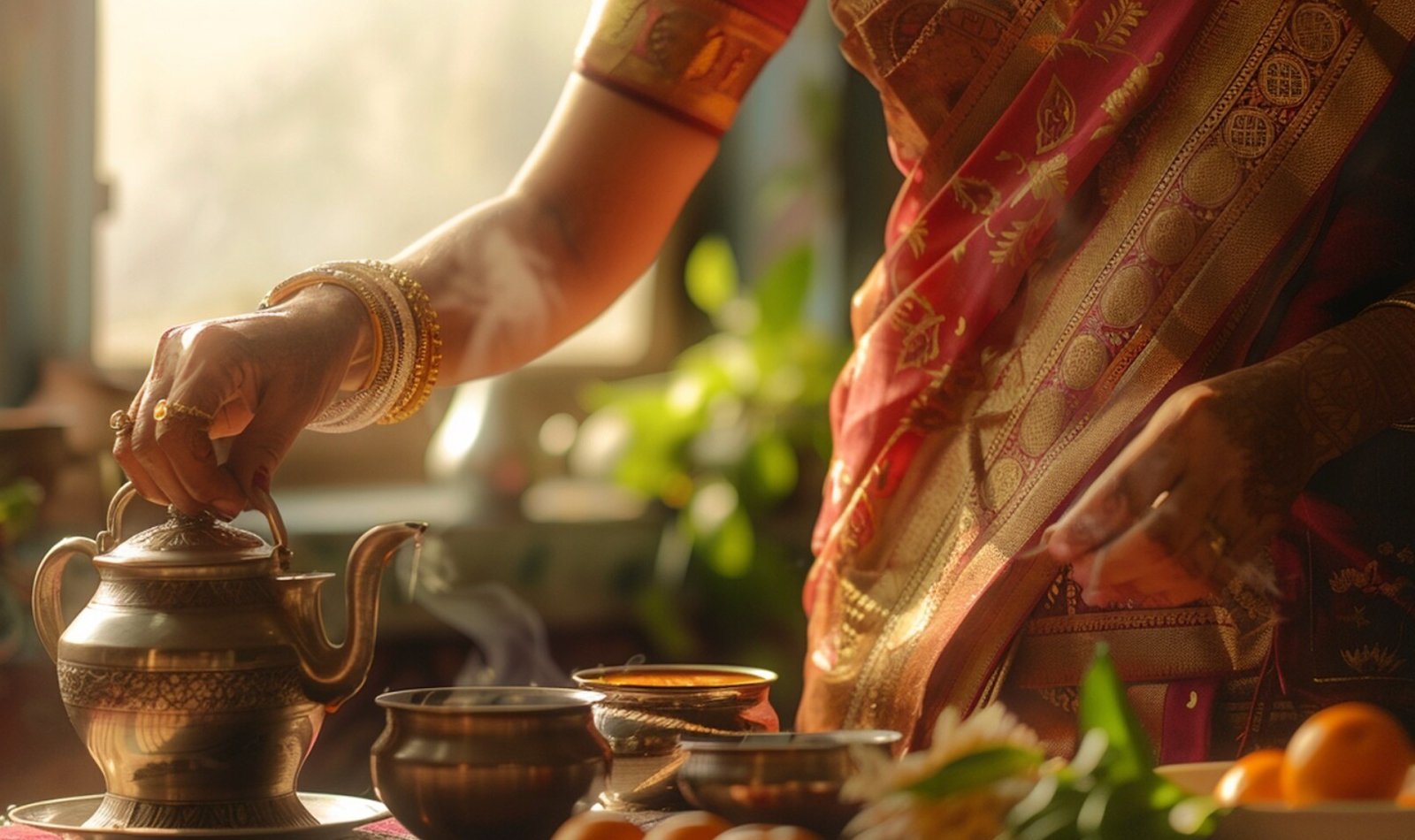
Food is medicine in Ayurveda. Eat foods that counteract the qualities of the aggravated Dosha:
- Vata: Focus on warm, heavy, moist foods. Think cooked grains, nourishing stews and soups, root vegetables, golden milk and healthy fats (ghee, avocado). Avoid dry, cold, or raw foods.
- Pitta: Choose cool, slightly dry, bitter foods. Plenty of fresh greens, cooling fruits (melons, grapes), and non-spicy foods. Minimize hot spices, fermented foods, and excess oil.
- Kapha: Favor light, dry, warm foods. Focus on steamed vegetables, legumes, and spicy, pungent flavors (ginger, black pepper, and garam masala). Minimize dairy, cold drinks, and heavy sweets.
3. Integrating Dosha-Specific Daily Routines

Beyond the mat and the plate, integrate practices that soothe the nervous system and promote deep rest, ensuring your Vata Pitta Kapha balance is maintained throughout the day.
- Vata Routine: Establish a strict, consistent sleep and meal schedule. Use warm sesame oil for self-massage (Abhyanga).
- Pitta Routine: Schedule “decompression time” in the middle of the day. Spend time in nature, especially near water. Avoid skipping meals, which can fuel Pitta fire.
- Kapha Routine: Ensure vigorous daily exercise (30-45 minutes). Avoid naps during the day. Stimulate the body with dry brushing (Garshana).
By consciously choosing practices that align with your current state, you move beyond merely treating symptoms and truly commit to a life of sustained health and Dosha Integration.