

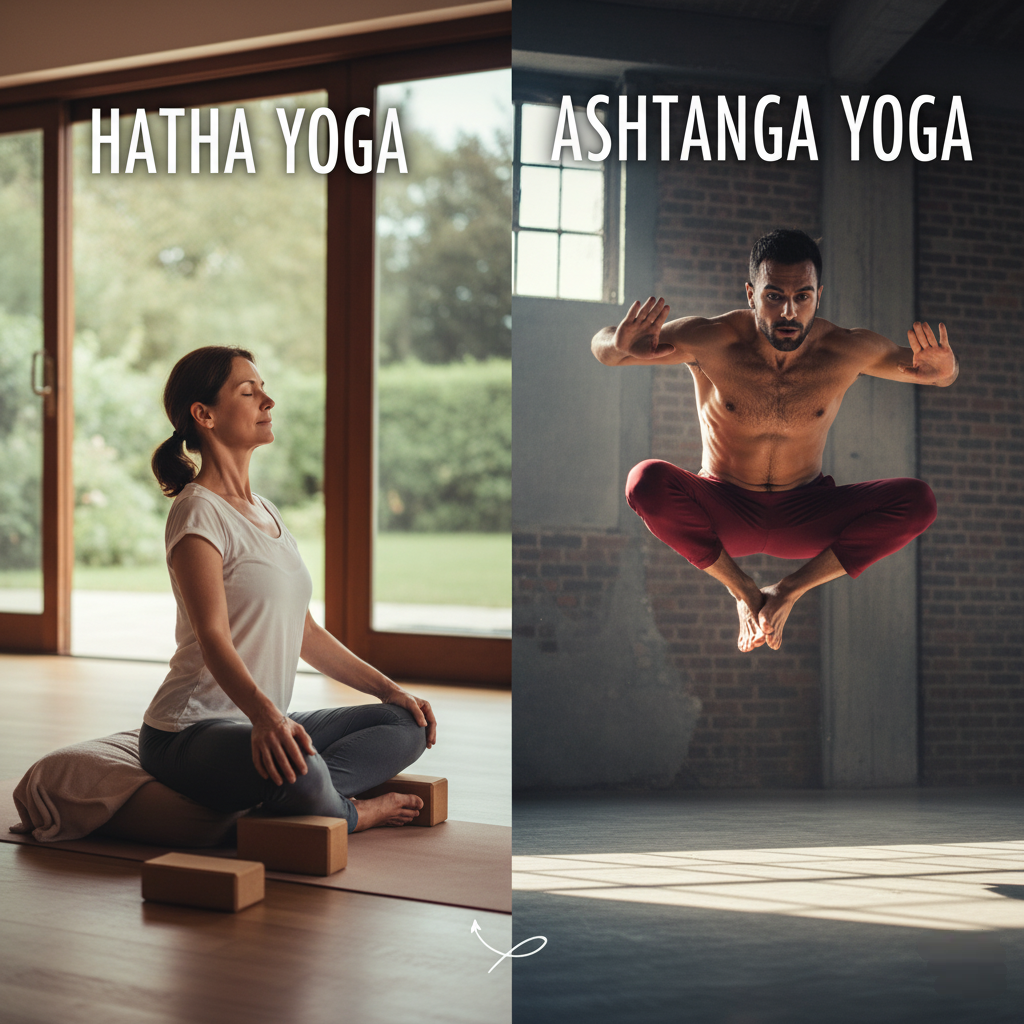
22 Oct Hatha vs. Ashtanga Yoga: Key Differences and Benefits
The world of yoga is vast and diverse, offering something for everyone—from those seeking quiet introspection to those craving a sweat-inducing challenge. Among the most popular forms are Hatha yoga and Ashtanga yoga. While both trace their roots to ancient yogic traditions, they offer distinct experiences in terms of pace, intensity, and focus. Whether you’re a beginner or a seasoned practitioner looking to deepen your understanding, this breakdown will help you find the practice that resonates most with your body and mind.
Hatha Yoga: Gentle, Foundational, and Meditative
Hatha yoga is often considered the foundation of all physical yoga styles, emphasizing alignment, breath, and mindfulness. The word “Hatha” translates to “sun” (ha) and “moon” (tha), symbolizing the union of opposing forces in the body.
- Pace: Slow, methodical, with time to explore postures
- Focus: Posture (asana), breath (pranayama), and mental clarity
- Typical Class Structure: 45–90 minutes of static poses with breathwork and sometimes meditation
- Ideal For: Beginners, older adults, those recovering from injury, or anyone seeking a balanced, calming practice
Benefits of Hatha Yoga:
- Builds body awareness and flexibility
- Reduces stress and anxiety
- Supports nervous system regulation
- Creates a solid foundation for all other yoga styles
Ashtanga Yoga: Structured, Intense, and Discipline-Oriented
Ashtanga yoga follows a set series of postures practiced in a precise sequence. It was developed by Sri K. Pattabhi Jois and is known for its athletic and physically demanding approach.
- Pace: Fast-paced and energetic
- Focus: Synchronization of movement with breath (vinyasa) in a set sequence
- Typical Class Structure: 60–90 minutes of a predefined series (Primary, Intermediate, or Advanced Series)
- Ideal For: Intermediate to advanced practitioners or those seeking a disciplined, vigorous workout
Benefits of Ashtanga Yoga:
- Improves strength, stamina, and flexibility
- Enhances mental discipline and consistency
- Encourages detoxification through sweating and deep breathing
- Appeals to those who enjoy structure and repetition
Which One Is Right for You?
The best practice depends on your goals, lifestyle, and current physical condition.
- Choose Hatha if you’re looking to de-stress, explore yoga philosophy, or build a strong foundation.
- Choose Ashtanga if you’re seeking a physical challenge, thrive in routine, or want to improve cardiovascular endurance.
FAQs:
Q: Is Hatha easier than Ashtanga yoga?
A: Yes, Hatha yoga is generally slower and more accessible, making it a great entry point for beginners.
Q: Can I mix both Hatha and Ashtanga yoga?
A: Absolutely. Many practitioners balance the strength-building aspects of Ashtanga with the restorative nature of Hatha to maintain harmony.
Whether you crave a peaceful, meditative experience or a physically demanding routine, both Hatha and Ashtanga offer profound benefits. Understanding the unique characteristics of each can help you deepen your practice and meet your wellness goals.