

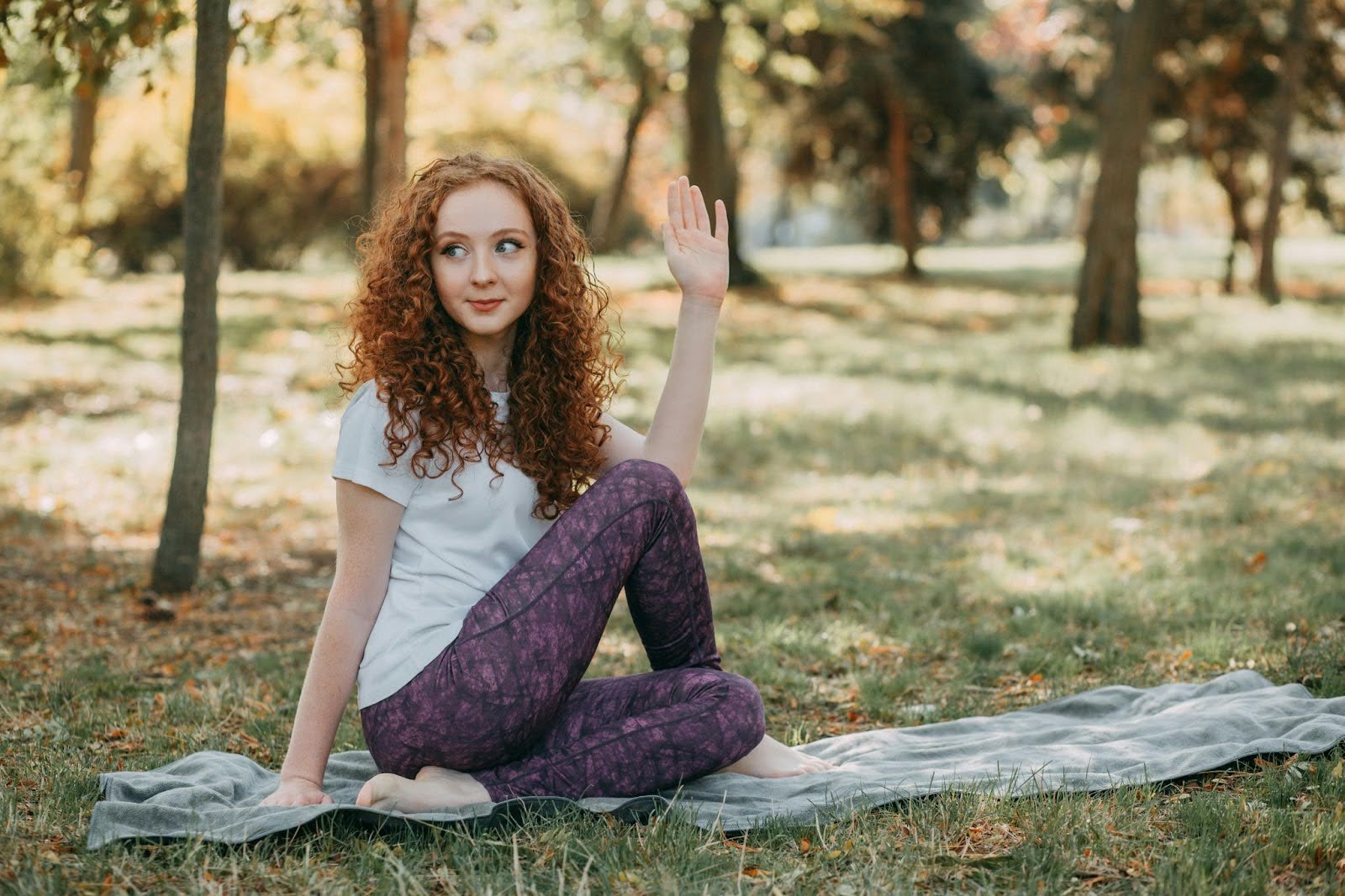
15 Oct Fall Yoga Best Practices – Align Your Practice with the Season

As the leaves begin to fall and the air turns cooler, nature reminds us to slow down and turn inward. In yoga and Ayurveda, autumn is associated with Vata dosha, which governs movement, air, and ether. When Vata becomes aggravated, it can lead to restlessness, anxiety, dryness, and weakened immunity. By tailoring your yoga practice to the qualities of fall, you can create grounding, warmth, and inner balance that support both physical and emotional well-being.
1. Embrace Grounding Poses
Fall is the season of change and transition. Grounding poses like Tadasana (Mountain Pose), Virabhadrasana I (Warrior I), Malasana (Garland Pose), and Balasana (Child’s Pose) help root your energy and stabilize your foundation. These poses encourage a deeper connection to the earth and provide a calming effect on the nervous system.
2. Slow Down with Yin and Restorative Practices
Fast-paced Vinyasa flows may feel destabilizing during this season. Instead, embrace Yin Yoga, Restorative Yoga, or slow-flow sequences that allow longer holds, deeper breaths, and intentional transitions. These styles support parasympathetic activation (rest and digest mode), easing stress and fatigue.
3. Use Breathwork to Create Warmth
Breath is your internal heater. Ujjayi Pranayama helps generate warmth and focus. Nadi Shodhana (alternate nostril breathing) is excellent for balancing both hemispheres of the brain and calming overactive thoughts. Consider ending your practice with a few minutes of breath-focused meditation or mantra chanting to enhance mental clarity.
4. Practice in a Warm, Cozy Environment
Fall can bring stiffness to the joints and muscles. Warm up your yoga space before beginning, wear layers, and use props like blankets and bolsters to stay supported. Consider diffusing grounding essential oils like vetiver, frankincense, or cedarwood to enhance the sensory experience.
5. Consistency Over Intensity
Rather than pushing for peak performance, aim for a consistent, daily routine that brings steadiness to your practice. Even a short 20-minute practice can be deeply healing when done with presence and intention.
FAQs:
Q: What type of yoga is best in the fall?
A: Gentle, grounding styles like Hatha, Yin, and Restorative Yoga are ideal. They counterbalance Vata’s airy, irregular energy.
Q: How does fall affect the body in yoga practice?
A: Fall tends to dry out the body and increase mental restlessness. Grounding practices help combat this by creating steadiness and hydration in the body.
By syncing your yoga practice with the rhythms of the fall season, you can navigate the shift with grace and resilience. Fall invites us to turn inward, release what no longer serves, and nurture our roots.