
24 Sep Ayurvedic Secrets for Healthy Hair Growth: A Holistic Approach from Within

In the wisdom of Ayurveda, healthy, lustrous hair is not merely a sign of external beauty—it’s a direct reflection of a balanced body and a robust digestive system. The ancient holistic healing system teaches that the health of your hair, skin, and nails is a byproduct of your overall well-being. This blog post will take you on a journey to discover the Ayurvedic secrets to vibrant, healthy hair by working from the inside out and embracing practices that nourish both your body and mind.
The Root of the Matter: Understanding the Ayurvedic Perspective
Ayurveda views hair as a mala, or byproduct, of bone tissue formation. This means that if your bones aren’t receiving the proper nourishment, your hair won’t either. The health of both is directly linked to your digestive fire (agni) and the presence of balanced doshas—Vata, Pitta, and Kapha—which govern all biological functions.
- Vata-type hair is typically dry, thin, and prone to frizz. It requires deep nourishment and hydration to prevent breakage.
- Pitta-type hair is fine, straight, and prone to premature graying or thinning. It needs cooling and calming care to balance the heat of Pitta.
- Kapha-type hair is thick, wavy, and oily. It requires regular cleansing and stimulation to prevent scalp congestion.
By understanding your unique dosha constitution, you can tailor your hair care routine to address its specific needs, creating a personalized approach that goes beyond generic products.
Nourishment from Within: The Power of Aahaar (Diet)
The state of your hair is a direct mirror of your digestive health. A sluggish metabolism and a poor diet can lead to the buildup of toxins (ama), which can manifest as hair problems like thinning, dullness, and dandruff. Therefore, the first and most crucial step to healthy hair is nourishing your body with the right foods.
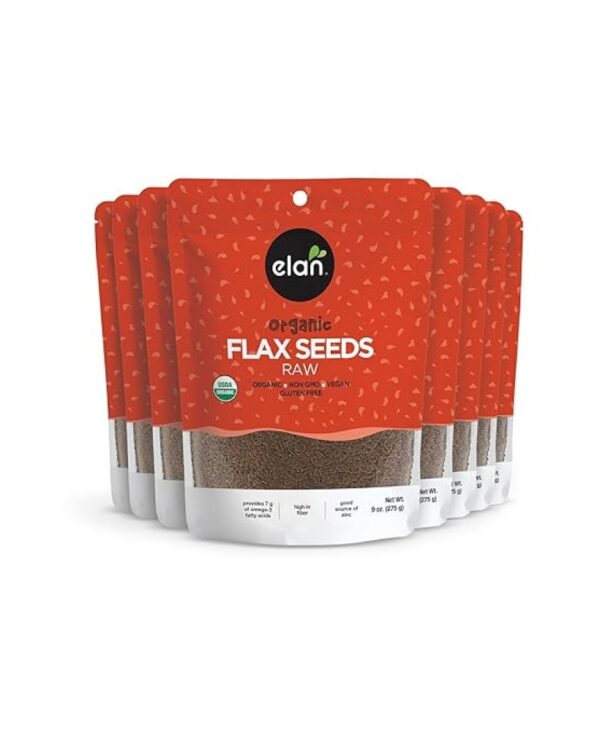
- For all doshas, prioritize a diet rich in fresh, organic, and seasonal foods. Include healthy fats, proteins, and vitamins in your meals. Staples like almonds, walnuts, seeds (flax, sesame), and leafy greens are packed with nutrients essential for hair growth.
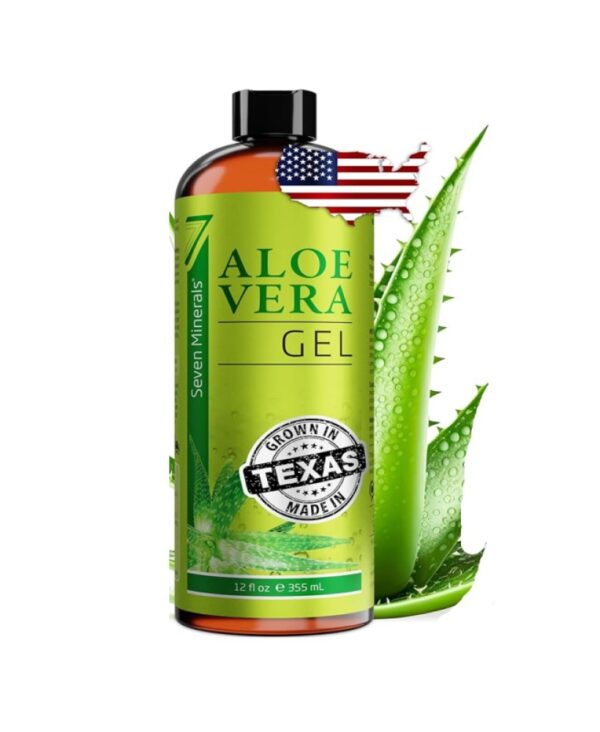
- Aloe Vera: This plant is an Ayurvedic staple for its profound healing properties. Consuming fresh aloe vera juice supports a healthy digestive system, which is crucial for absorbing the nutrients needed for strong, healthy hair. It helps to cool the body and cleanse the blood, both of which contribute to a healthy scalp.
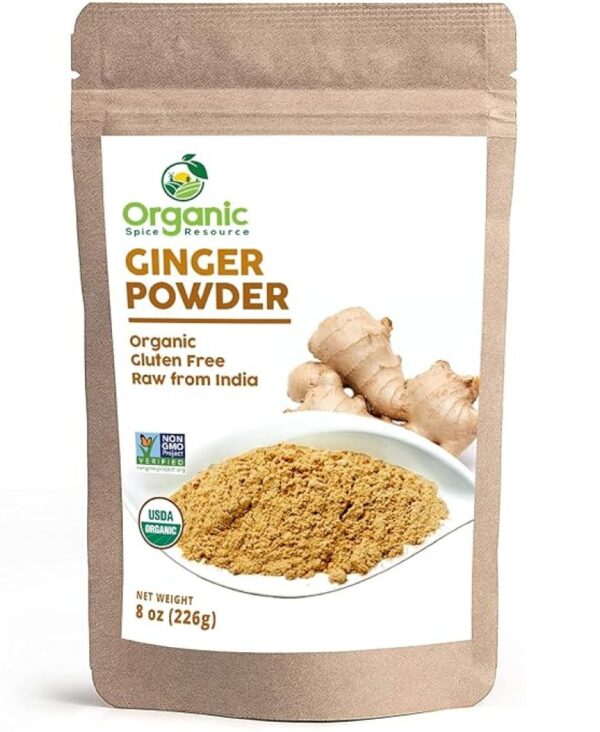
- Spices: Warming spices like ginger, cumin, and turmeric can ignite your digestive fire, helping your body to break down food more efficiently and absorb vital nutrients.
External Care: The Art of Ayurvedic Rituals
Beyond diet, your daily routines are powerful tools for a glowing complexion. Ayurveda emphasizes a few key rituals that can significantly improve the health and vitality of your hair.
1. The Power of a Warm Oil Massage (Shiroabhyanga)
This practice is the cornerstone of Ayurvedic hair care. It nourishes the scalp, stimulates blood circulation, and helps the body release tension.
- How to: Choose a nurturing oil based on your dosha: coconut oil for Pitta, sesame oil for Vata, and a lighter oil like mustard for Kapha. Gently warm the oil and massage it into your scalp for 5-10 minutes using your fingertips in circular motions.
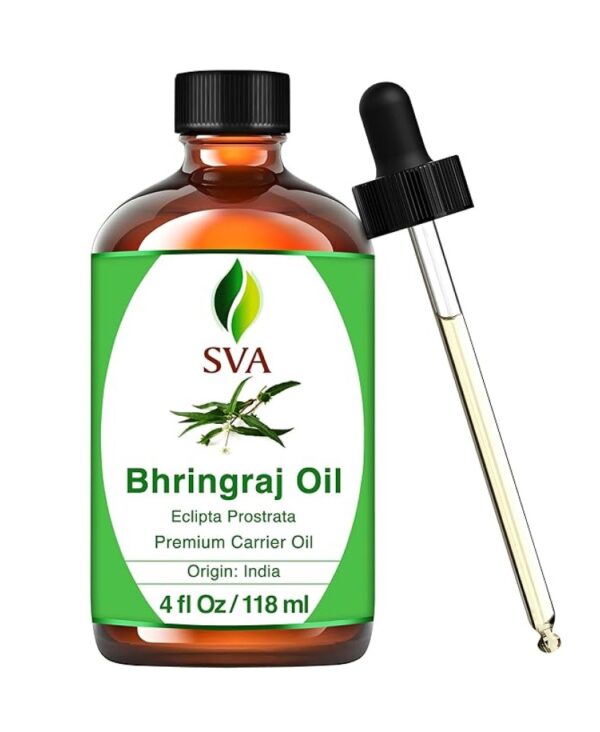
- Why it helps: The massage stimulates blood flow to the hair follicles, strengthening the roots and promoting growth. It also calms the nervous system and can reduce stress-induced hair loss. For an extra boost, use a few drops of Bhringaraj oil, known as the “king of herbs” for hair growth, or Brahmi oil, which helps to improve circulation and reduce hair fall.
2. Embrace Natural Herbs and Masks
Avoid harsh, chemical-laden commercial products that can strip your hair’s natural oils. Ayurveda recommends using natural, plant-based remedies to cleanse, condition, and nourish.
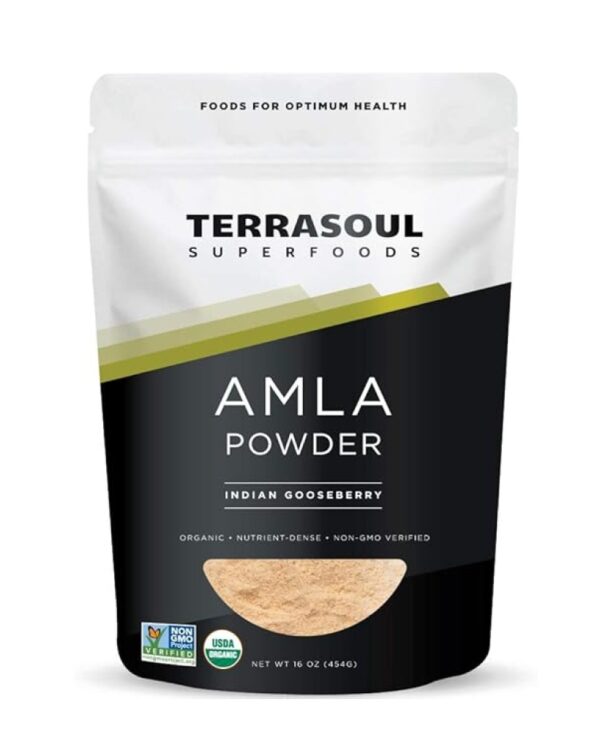
- Amla (Indian Gooseberry): Revered in Ayurveda, amla is rich in Vitamin C and antioxidants, which help to strengthen hair follicles, prevent premature graying, and add a healthy shine. A simple hair mask with a paste of amla powder, yogurt, and a touch of honey makes for a potent, nourishing treatment.
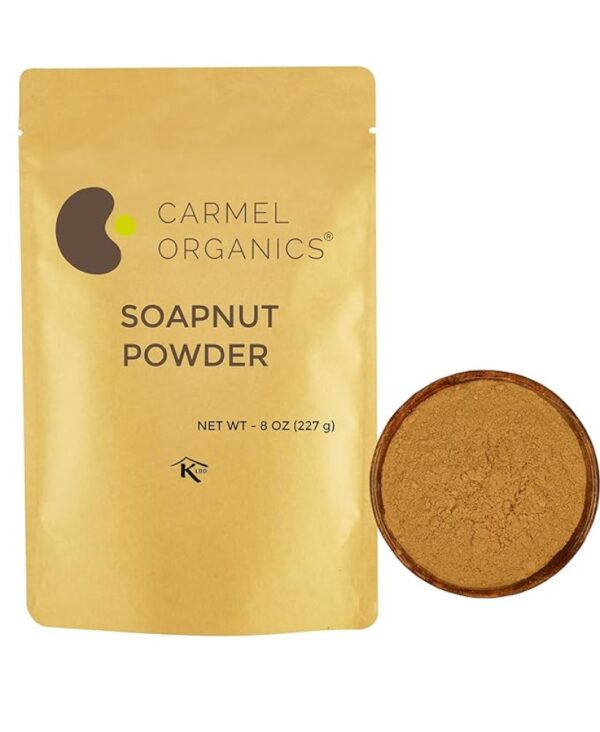
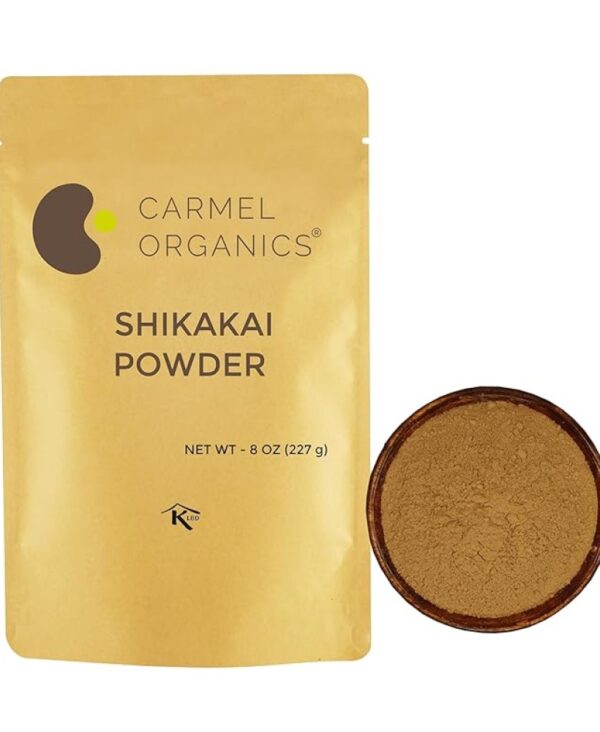
- Shikakai and Reetha: These two herbs have been used for centuries as natural cleansers. Shikakai is a gentle, natural shampoo that cleanses without stripping hair of its natural oils, while Reetha (soap nut) provides a rich, natural lather. Together, they create a powerful yet gentle hair wash.
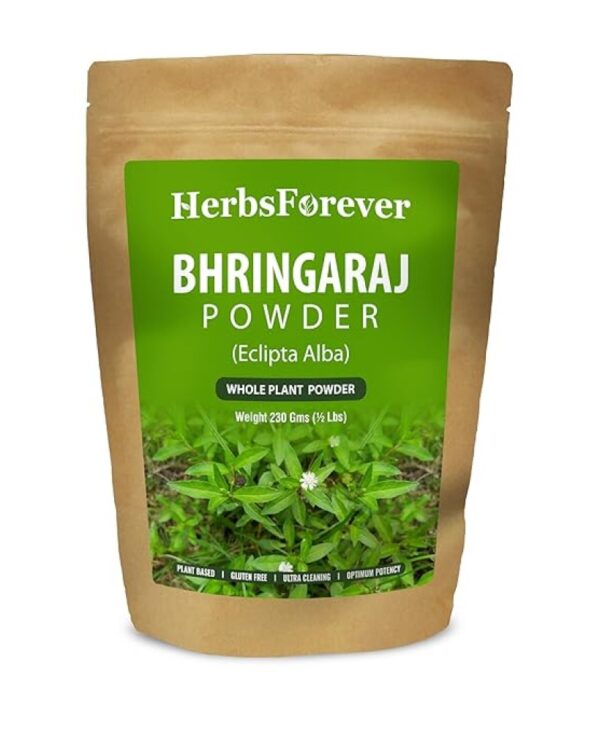
- Bhringaraj: Considered the most powerful herb for hair, Bhringaraj is used to prevent hair loss, promote hair growth, and restore natural hair color. It is often used in oil form for scalp massages.
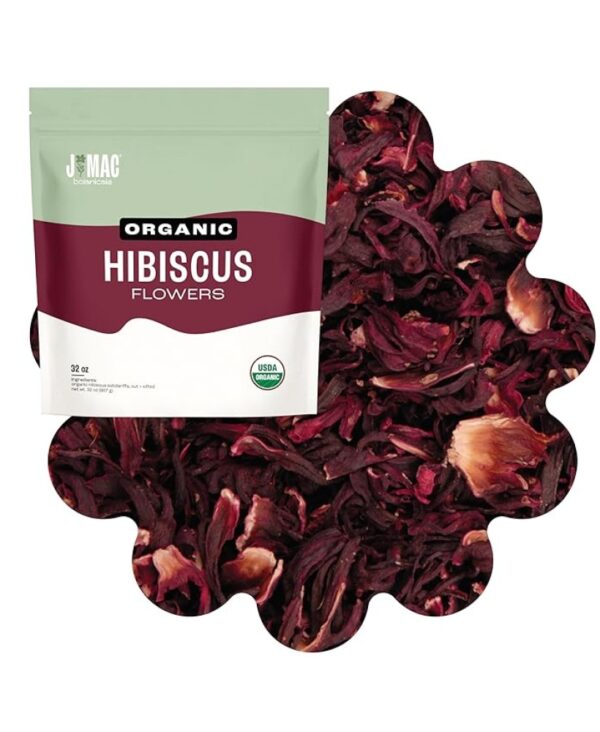
- Hibiscus: A beautiful flower that is also a natural conditioner. A paste made from hibiscus flowers can be used as a pre-shampoo treatment to soften and add shine to your hair.
Lifestyle for Lasting Results
Finally, Ayurveda teaches that a healthy lifestyle is the ultimate foundation for beautiful hair.
- Reduce Stress: Stress is a major contributor to hair fall and premature graying. Incorporate stress-reducing practices like meditation, pranayama (breathing exercises), and gentle yoga into your daily routine. A simple ten-minute walk in nature can also work wonders.
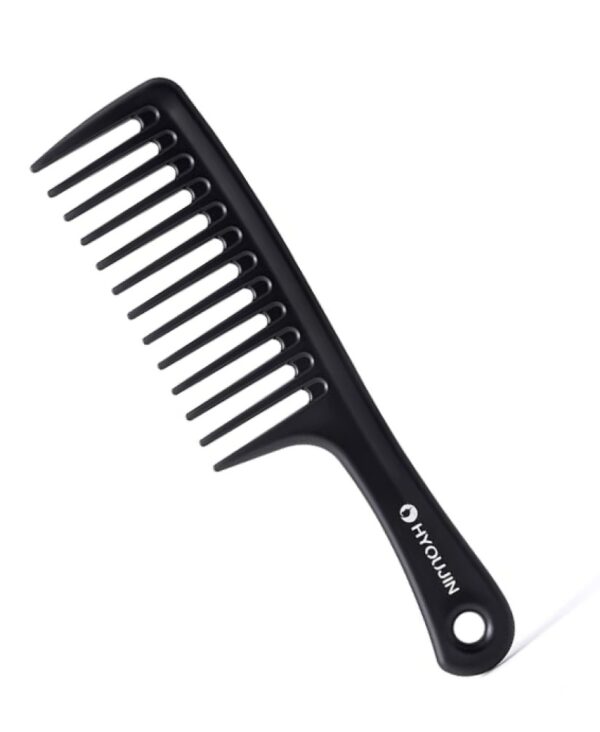
- Practice Gentle Care: Avoid tight hairstyles that pull on the roots, and use a wide-tooth comb to detangle your hair when it’s dry, never when wet, as it is most fragile then. Embrace a calm, mindful approach to caring for your hair.
By embracing these Ayurvedic principles, you’re not just treating your hair—you’re nurturing a deeper state of health and balance that will radiate from within.