

23 Apr Sanatana Dharma: Understanding Its Spiritual and Cultural Significance
Sanatana Dharma, often referred to as the eternal way of life, is the foundational philosophy and spiritual path that underpins Hinduism. Unlike organized religions with rigid doctrines, Sanatana Dharma is a fluid and evolving way of living that embraces universal truths, self-realization, and harmony with the cosmos. Rooted in ancient wisdom, this profound spiritual tradition guides individuals toward enlightenment while deeply influencing Indian culture, rituals, and everyday practices.
In this post, we explore the meaning, core principles, cultural significance, and modern relevance of Sanatana Dharma, providing a deeper understanding of its timeless wisdom.
What is Sanatana Dharma?
The term Sanatana Dharma translates to “eternal order” or “universal duty.” It is not confined to any one scripture, sect, or religious boundary but is instead a living tradition that teaches individuals how to align with the cosmic order (Rta) through self-awareness, righteous living (Dharma), and devotion (Bhakti).
Unlike the Western concept of religion, which is often based on belief systems, Sanatana Dharma is a way of being—a philosophy that encourages each person to follow their unique path to moksha (liberation) while living in harmony with the universe.
Core Principles of Sanatana Dharma
Sanatana Dharma is guided by several key philosophical and ethical principles, each offering a pathway to spiritual growth:
1. Dharma (Righteous Duty & Moral Living)
- Dharma refers to one’s sacred duty and ethical responsibilities based on their role in society, stage of life, and personal nature.
- Following Dharma leads to harmony, justice, and balance in the universe.
2. Karma (Law of Cause & Effect)
- Karma governs the cycle of actions and consequences—what we do in this life shapes our future experiences.
- Good karma leads to spiritual elevation, while negative actions result in lessons and challenges that must be overcome.
3. Samsara (Cycle of Birth & Rebirth)
- Life is seen as a continuous cycle of birth, death, and rebirth (reincarnation), influenced by karma and dharma.
- The ultimate goal is to break free from this cycle and attain moksha (liberation from suffering).
4. Moksha (Liberation & Self-Realization)
- The highest goal of Sanatana Dharma is moksha—freedom from the cycle of birth and death and union with the divine.
- This is achieved through self-inquiry, meditation, devotion, and righteous living.
5. Bhakti, Jnana, and Karma Yoga (Paths to Enlightenment)
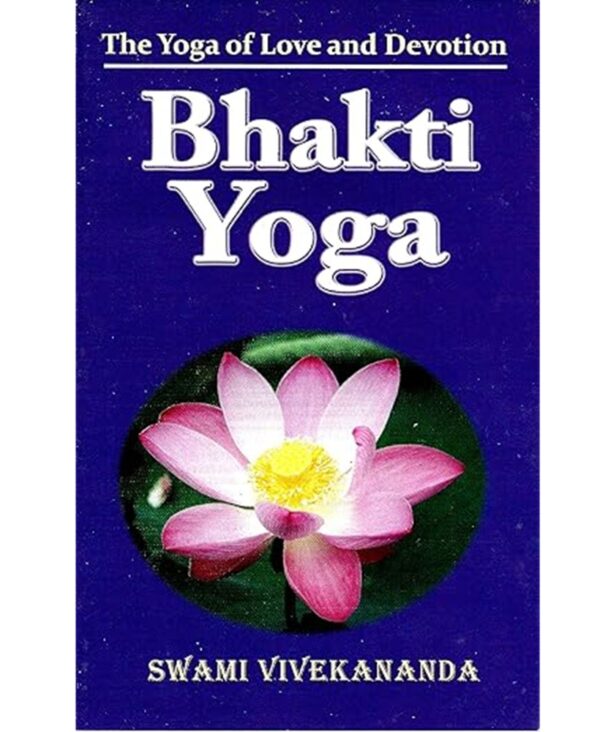
- Bhakti Yoga: The path of devotion and love for the Divine (e.g., through prayer, chanting, and rituals).
- Jnana Yoga: The path of wisdom and knowledge (e.g., studying scriptures and self-inquiry).
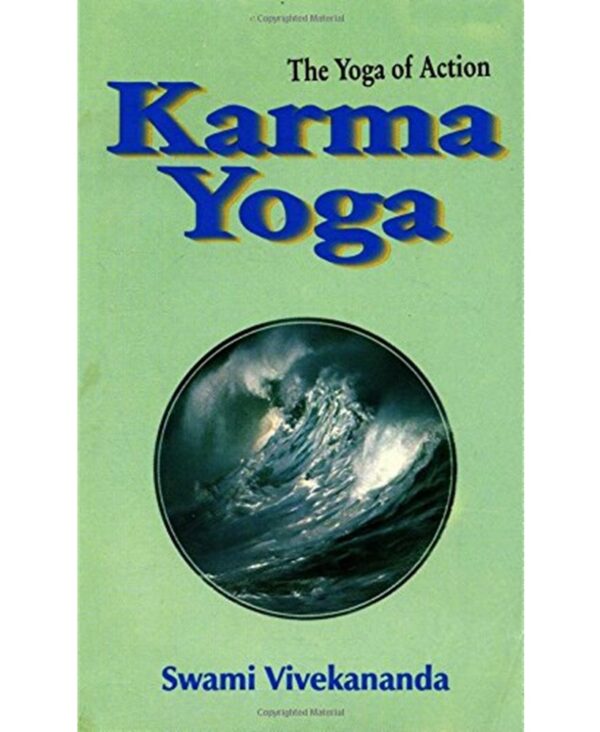
- Karma Yoga: The path of selfless action and service without attachment to the results.
Cultural Practices in Sanatana Dharma
Sanatana Dharma is deeply woven into Indian culture, rituals, festivals, and daily practices that guide individuals toward spiritual evolution.
1. Daily Rituals (Nitya Karma)
- Surya Namaskar (Sun Salutation): A daily practice of offering gratitude to the sun.
- Japa (Mantra Chanting): Repetition of sacred sounds like Om or specific deity names to align with higher vibrations.
- Meditation & Pranayama: Techniques like breath control and silent contemplation to achieve inner balance.
2. Festivals & Celebrations
- Diwali (Festival of Lights): Celebrating the victory of light over darkness and good over evil.
- Holi (Festival of Colors): Honoring joy, renewal, and the divine play of Krishna.
- Navaratri: A nine-night festival dedicated to the feminine divine energy (Shakti).
3. Pilgrimages & Sacred Spaces
- Many followers of Sanatana Dharma visit holy sites like Varanasi, Rishikesh, and Mount Kailash to deepen their spiritual connection.
- Sacred rivers such as the Ganges are believed to cleanse sins and purify the soul.
4. Ayurvedic Living & Yoga
- Ayurveda (the science of life) is an integral part of Sanatana Dharma, promoting balanced living through diet, herbal remedies, and seasonal alignment.
- Yoga and meditation are key tools for self-discipline, inner peace, and ultimate enlightenment.
The Relevance of Sanatana Dharma in Modern Life
Although Sanatana Dharma is rooted in ancient wisdom, its teachings remain highly relevant in today’s world.
- Mindfulness & Well-being: Practices like yoga, meditation, and Ayurveda help combat stress and promote holistic health.
- Sustainability & Harmony with Nature: Sanatana Dharma emphasizes living in balance with the environment—a principle increasingly important in addressing climate change.
- Interconnectedness & Universal Truths: Its teachings remind us of our shared humanity, responsibility, and duty toward a more peaceful world.
In essence, Sanatana Dharma is not just a religion—it is a way of living with purpose, mindfulness, and reverence for life.
Final Thoughts
Sanatana Dharma offers a timeless path of wisdom, spiritual evolution, and ethical living. Whether through meditation, yoga, devotion, or selfless service, its teachings provide a roadmap to inner peace, self-realization, and connection with the divine.
As we move into Spring, this is a perfect time to align with the principles of Sanatana Dharma—cleansing the mind, body, and spirit while embracing light, renewal, and balance.